


Ho Chi Minh city unlocks the potential of waterway tourism
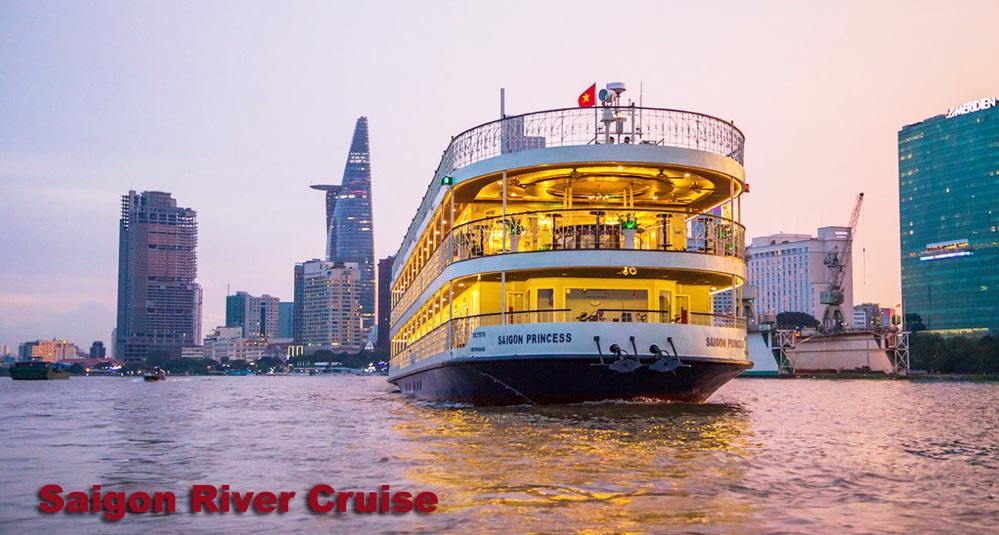
Ho Chi Minh City is focusing on leveraging its waterway
advantages to develop water-based tourism products, deeply
integrating local historical and cultural values to
establish its brand as a destination.
With its dense network of rivers and canals, including the
Saigon River flowing through the city center, Ho Chi Minh
City is gradually exploiting its waterway advantages to
develop waterway tourism , contributing to positioning the
city as a tourist destination.
Accelerate the expansion of the waterway transportation
network.
During his return to Ho Chi Minh City after many years, Tom
Jones, a tourist from Australia, chose to experience a
cruise on the Saigon River in the late afternoon. From the
water, he admired the modern buildings of the city center
interspersed with riverside residential areas, bustling
ports, and the distinctive rhythm of life in the country's
largest metropolis.
"This is a completely different perspective on Ho Chi Minh
City. I've traveled through many cities with famous rivers
around the world , but the Saigon River offers a very unique
feeling because of the blend of modernity and local
identity," said Tom Jones.
According to the Ho Chi Minh City Department of Tourism,
there are currently about 150 businesses operating more than
300 vehicles serving tourists on the river. These vehicles
are very diverse, ranging from river buses, cruise ships,
restaurant boats to speedboats and tourist boats.
During the period 2026-2030, Ho Chi Minh City aims to
further expand its waterway transportation network. The city
identifies this as one of the key drivers of tourism
development in the near future. Besides maintaining the
operation of river bus route No. 1, route No. 2 is expected
to be put into operation once the infrastructure is
completed. Many routes connecting the city center with new
urban areas and tourist destinations are also being studied
and investment is being sought.
Simultaneously, the city is researching and calling for
investment in many new routes to enhance overall
connectivity. These routes will connect the city center with
areas such as Phu My Hung, Mui Den Do, SwanBay, Rach Chiec,
and Thu Dau Mot. At the same time, Ho Chi Minh City will
upgrade its port and inland waterway system to better serve
residents and tourists.
According to Dr. Pham Ha, the Saigon River is a unique
tourism resource that few cities in the world possess. In
the context of increasingly competitive destinations
offering distinctive experiences, waterway tourism needs to
move beyond mere sightseeing to become a journey of cultural
and historical exploration. Today's tourists not only want
to admire the scenery but also want to understand the
destination.
According to Ha, in many famous cities such as Paris,
London, Amsterdam, and Bangkok, river tourism has become an
indispensable part of the urban experience. With its diverse
ecosystem including urban areas, mangrove forests, the sea,
and a rich network of rivers, Ho Chi Minh City has many
conditions to develop products with unique characteristics,
contributing to enhancing the competitiveness of the
destination.
Mr. Toan from Saigon Waterbus, said that the number of
passengers and the occupancy rate of waterway tourism
products are increasing by an average of 10% to 15% each
year. Besides international tourists, the demand for
experiences among Ho Chi Minh City residents is also
growing.
According to Toan, the development of riverside urban areas
and the trend of seeking new experiences within the city
center are opening up significant opportunities for waterway
tourism. However, to effectively exploit this potential, the
tourism industry needs to continue investing comprehensively
in port and dock infrastructure and transportation
connections. Diversifying products is also crucial to extend
the length of stay and increase spending by tourists
visiting the city.
Experts believe that, in the context of Ho Chi Minh City
expanding its development towards riverside and coastal
urban areas, waterway tourism is not only a supplementary
product but can also become a new symbol of the city's
tourism industry. With proper investment and exploitation,
rivers will be more than just transportation routes or
sightseeing spaces.
Towards becoming a new symbol of city tourism.
While waterway tourism products previously focused primarily
on sightseeing, the current trend is to enhance the depth of
the experience.
According to Nguyen Huu An from the Ho Chi Minh City
Department of Tourism, the difference of new-generation
waterway tourism products lies not only in the means of
transport or the quality of service. The core element is the
ability to tell stories through journeys connected to the
history and culture of the Southern region.
Notably, the creation of tours recreating the 115-year
journey of President Ho Chi Minh's departure to seek a path
to national salvation, set against the backdrop of
waterways, is expected to provide visitors with emotionally
rich experiences, making history more accessible and vivid.
"Today's tourists not only want to visit but also want to
hear the stories of the destination. When historical and
cultural elements are integrated into the itinerary, each
trip becomes a profound experience, creating a unique
impression and increasing the likelihood of tourists
returning," An said.
According to the Ho Chi Minh City Department of Tourism, the
city has developed more than 60 tours, routes, and tourism
products on the waterway. These products range from short
journeys on the Saigon River by river bus, speedboat, and
yacht to night-time tourism products combining food and
entertainment. The waterway tourism space is also constantly
expanding to serve a diverse range of tourists. The city has
routes connecting to Vung Tau, Can Gio, Cu Chi, the Mekong
Delta region, and even inter-regional routes to Cambodia.
In its future development strategy, Ho Chi Minh City aims to
form riverside service complexes linked to the night-time
economy, cultural spaces, shopping, and entertainment to
enhance the attractiveness of the destination. The system of
ports and inland waterways will also continue to be invested
in and upgraded to meet the increasing operational needs.
An stated that the new tourist route currently has many
favorable conditions for development, as both terminals have
been licensed to operate. These terminals include the Bach
Dang Wharf and the inland waterway terminal at the Cu Chi
Tunnels Historical Site. This is an important foundation for
businesses to proactively develop products, connect
destinations, and improve service quality.
According to Ms. Nguyen Thi Khanh from the Vietnam Tourism
Association, waterway tourism is one of the unique
advantages that not many large cities in the region possess.
Along with the growing trend of experiential tourism,
waterway tourism products have many opportunities to become
one of the pillars of Ho Chi Minh City's tourism.
However, to effectively exploit this potential, according to
Ms. Khanh, the city needs to continue improving
infrastructure planning, riverside docks and services, and
investment attraction mechanisms. In particular, the
development process must be linked to environmental
protection, landscape preservation, and the safeguarding of
local cultural values to ensure long-term sustainability.
To unlock the potential of waterway tourism, the Ho Chi Minh
City Department of Tourism recommends prioritizing the
upgrading of river transport infrastructure, including
dredging waterways, constructing modern wharves and piers,
and developing riverside services to enhance the visitor
experience.
The city also focuses on developing unique products
associated with history, culture, and the riverine
ecosystem; strengthening regional linkages to form diverse
tourist routes. Simultaneously, it implements solutions to
protect the environment, control pollution, and treat
wastewater and waste.
In particular, Ho Chi Minh City proposed improving
mechanisms and policies on land and water surface allocation
and leasing to attract investment in the construction of
inland waterway terminals.
Ethnic Travel is one of the first travel companies committed
to implementing ESG (Environmental, Social, and Governance)
in its community-oriented tourism products, such as
tree-planting tours, environmental protection programs, and
community contribution initiatives for international
visitors. Ethnic Travel is also committed to operating
tourism responsibly towards nature and wildlife, promoting
responsible tourism for sustainable development.


